Core Differences Between Metal Epoxies and Regular Adhesives

We commonly use adhesives to join two surfaces. However, these don’t apply to metal. That’s when epoxy adhesive for metal plays an essential part. Epoxies and adhesives serve the purpose of attaching things. But these are available in different strengths for metals and regular materials. Let’s discuss more about their core differences.

Head to https://www.linkedin.com/posts/itw-performance-polymers_chockfast-epoxy-americanmade-activity-7341105085998899200-0qUT?utm_source=li_share&utm_content=feedcontent&utm_medium=g_dt_web&utm_campaign=copy for additional information.

Strength level

Regular household glue or project glue is suitable for lighter purposes. For instance, these are applicable for your kid’s science projects or attaching small plastic pieces. However, metals need something stronger and durable. That’s when companies use the strongest epoxy for metal to handle heavy loads. Moreover, when you cure the metal components with these epoxies, they hold parts together just like welding does.
Composition

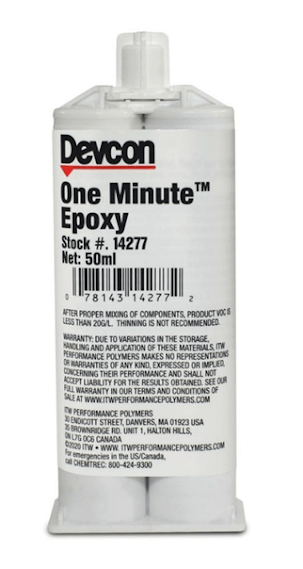
Did you know that the everyday glues and adhesives are made from regular bonding agents? Therefore, when applied to a surface, they dry quickly. Meanwhile, in a metal epoxy, you get two components. These are a resin and a hardener. You need to mix them both, and it forms a hard bond. As a result, the epoxy remains resistant to water, heat, and pressure.

Heat and chemical resistant

When you apply normal adhesives to surfaces, you’ll notice them lose bonding due to heat and chemical exposure. However, this isn’t the same for metal epoxies. These epoxies are well-formulated to resist natural factors. Therefore, every company in the automotive and construction industry utilizes them for tough environments.

Drying and curing

Did you know regular adhesives dry in a few minutes, and their stickiness holds materials together? However, metal epoxies do not dry over time. Instead, they cure into a solid plastic-like material. You’ll notice that this cured layer is hard and durable for joining metal surfaces.

Moreover, you can use a regular adhesive on any surface. In contrast, metal epoxies are rigid and hard to stretch. Therefore, these are suitable for bonding pipes, machinery, and tools.
About ITW Performance Polymers:

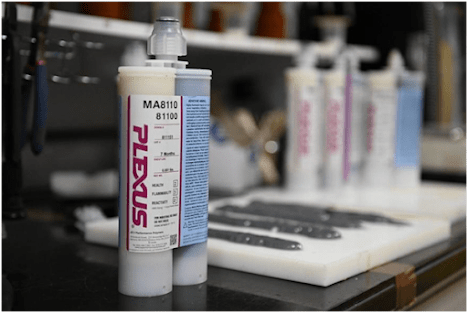
Are you seeking a pipe wrap or metal epoxy? ITW Performance Polymers is your ultimate destination. This company offers stunning metal epoxy and adhesive solutions for every industry. So, you will undoubtedly find an epoxy type for your company. You can also contact the company’s support services for further assistance. Check its website and browse an array of products.

To get more details, visit https://itwperformancepolymers.com/

Contact: (978) 774-0516

Email: cs@itwpp.com

Original Source: http://bit.ly/4nI3GF1

Choose the Perfect Adhesive Solution for Metal-to-Metal Bonding

Bonding metal-to-metal surfaces requires attention to detail. The right selection of metal to metal adhesive enhances the surface’s durability, reliability, and strength. Choosing the perfect adhesive solution can impact your durability, whether you’re involved in industrial applications, automotive repairs, or DIY projects. This post delves into aspects to consider when choosing the suitable adhesive for bonding metal surfaces.

Understand Your Metal Types

Various metals like steel, aluminum, and stainless steel possess surface features and qualities. Certain metals might need steps for their surfaces, such as cleaning, sanding, or priming. For instance, aluminum is susceptible to oxidation, which can impact bonding capabilities, while stainless steel may require adhesives given its smooth and nonporous surface. Selecting the adhesive compatible with the bonded metal type is crucial for optimum results.

Choose the Right Adhesive Type

Epoxy adhesives are chosen for bonding metals because of their strength and longevity characteristics.They create a bond, offering resilience against heat, moisture and chemicals.The epoxy adhesive for metal is well suited for demanding tasks like repairing automobiles and industrial purposes.

Acrylic adhesives are popular for their curing time and strong bonding capabilities.They are perfect for situations that require setting without compromising on durability. These adhesives also protect elements such as sunlight and UV rays, making them a good choice for outdoor use.

Polyurethanes offer flexibility for bonding metal parts that might endure vibrations or thermal expansion comfortably. They also resist moisture well, providing adhesion for use in indoor and outdoor settings.

Consider Environmental and Application Factors

When selecting an adhesive for metal bonding projects, it’s important to remember the factors the bonded materials encounter, like temperatures, moisture, and exposure. For example, if your project involves exposure to extreme temperatures, opt for an adhesive with heat resistance like epoxy or polyurethane.

Picking the adhesive for bonding metal to metal involves considering factors such as the type of metal used and the environmental conditions. You need to consider these factors while choosing the adhesive, creating a strong and long-lasting bond for your surface.

About ITW Performance Polymers:

When it comes to durable epoxy adhesives for metal bonding, ITW Performance Polymers stands out as a leading choice. The company specializes in designing high-quality Methacrylate adhesive products to prevent fatigue and eliminate localized pressure points. The designed epoxy coatings and fillers provide increased protection for handling and storage equipment, safeguarding against constant wear and abrasion.

Get expert’s insights at https://itwperformancepolymers.com/

Original Source: https://bit.ly/4fzTji7